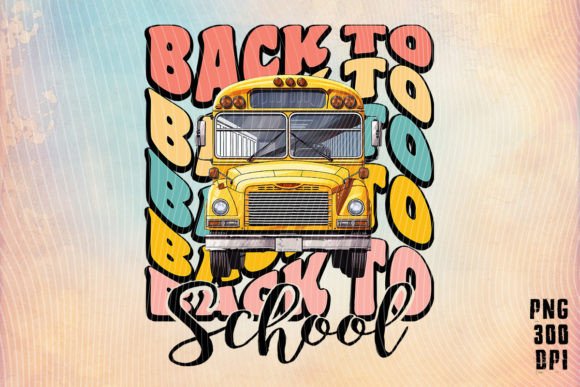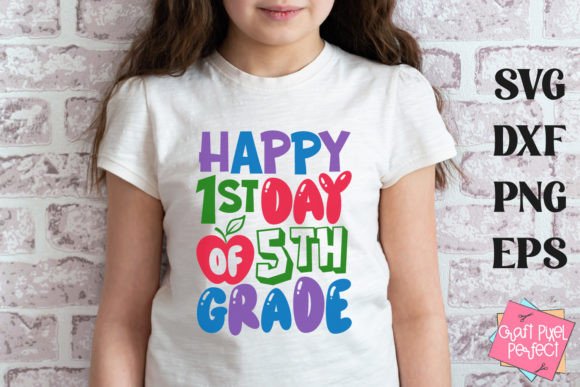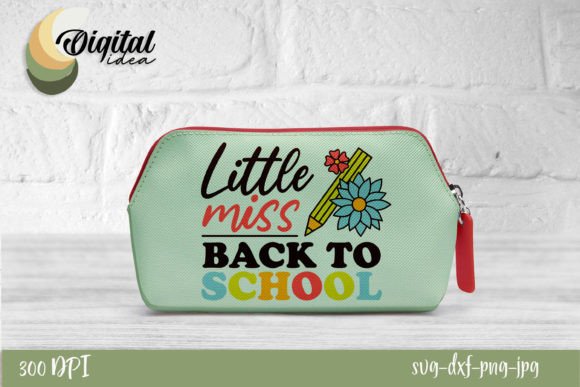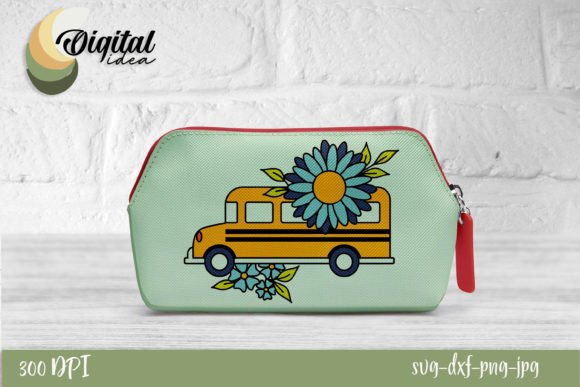
Kindergarten Shirt SVG, Back to School: Digital Design Files for Effortless Custom Apparel
Creating personalized back-to-school apparel—especially for kindergarteners—is more than a craft project. It’s part of a coordinated preparation workflow that includes classroom setup, parent communication, supply organization, and identity-building for young learners. The Kindergarten Shirt SVG, Back to School digital download fits precisely into that workflow—not as an end product, but as a reusable, scalable asset that supports consistency, speed, and professional-grade output.
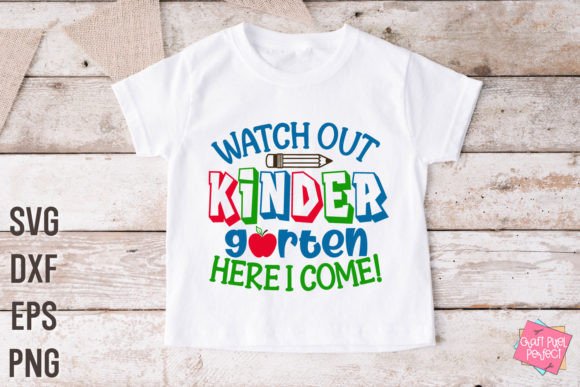
This listing delivers a single ZIP folder containing four file formats: SVG, EPS, DXF, and transparent PNG. Each serves a distinct role in design execution. The SVG is the primary vector format for Cricut Design Space and Silhouette Studio. EPS supports broader graphic design use (e.g., Adobe Illustrator for layout refinement). DXF ensures compatibility with older or industrial cutting software like Sure Cuts A Lot or Scan N Cut firmware versions that prioritize DXF over SVG. The transparent PNG allows for quick mockups, social media previews, or print-on-demand integration where vector editing isn’t needed.
How It Fits Into Real-World Planning and Execution
Before printing or cutting begins, educators, PTA volunteers, small business owners, and craft-based entrepreneurs often go through three overlapping phases: planning, production, and delivery. The Kindergarten Shirt SVG, Back to School accelerates all three.
In planning, it eliminates time spent designing from scratch—no need to source fonts, align kindergarten-themed icons, or adjust proportions for toddler-sized tees. The file already reflects age-appropriate scale, clean line weight, and balanced negative space—critical when cutting heat transfer vinyl on youth shirts. That means you can finalize class shirt designs during a 45-minute team meeting instead of over several days of trial-and-error.
During production, compatibility matters. If your team uses mixed machines—some with Cricut Explore Air 3s, others with Silhouette Cameo 4s—you’ll appreciate having both SVG and DXF included. No last-minute format conversion delays. Likewise, if you’re batching orders for multiple sections (e.g., “Room 101,” “Butterfly Class,” “Sunshine Squad”), the editable nature of vector files lets you swap text or colors without compromising resolution. You’re not locked into one version—you’re equipped to iterate.
In delivery, consistency builds trust. When parents see matching shirts across orientation events, photo days, or field trips, it signals intentionality—not just decoration. That cohesion starts with a reliable base file. The Kindergarten Shirt SVG, Back to School gives you that baseline, so your visual identity stays anchored even as names, dates, or themes change year to year.
Integration With Common Tools and Workflows
This isn’t a standalone graphic—it’s a node in a larger ecosystem. Here’s how it connects:
- Cricut Design Space: Upload the SVG directly. Use the “Text” tool to replace placeholder phrases like “Here I Come!” with student names or teacher names. Adjust size using the lock-aspect-ratio function—no distortion on 4T or 5T shirts.
- Silhouette Studio: Import the DXF for precise cut lines, especially if working with intricate weeding or layered HTV. Use the EPS version if you’re combining the design with school logos or district branding elements in a multi-layered print-ready PDF.
- Canva or Google Slides: Drop in the transparent PNG for digital newsletters, class websites, or permission slip graphics. No background removal needed—just drag, resize, and embed.
- Print-on-Demand Platforms: While this file is optimized for cutting machines, the high-res PNG (300 DPI) works for platforms like Printful or Gelato if you’re offering pre-printed shirts via an online store. Just verify their file requirements first—some require flattened layers or specific color modes.
Practical Implementation Tips
You don’t need advanced design skills—but you do need clarity on what each file does and when to reach for it. Start here:
- Verify software compatibility before purchase. If you use only Cricut and never open Illustrator, the EPS may sit unused. But if you occasionally collaborate with a designer who needs editable vectors, that EPS becomes essential. Match file types to your actual tools—not hypothetical ones.
- Test cut on scrap material first. Even with optimized files, blade depth, material type (e.g., glitter vs. standard HTV), and machine calibration affect outcome. Run one test before loading 30 shirts.
- Organize versions systematically. Rename files clearly: “Kindergarten_SVG_BackToSchool_2024_Room101.svg”. Avoid generic names like “design1.svg”—they create friction later when managing multiple grade-level assets.
- Keep backups outside your main design folder. Store the original ZIP in cloud storage (Google Drive, Dropbox) with version history enabled. Local edits shouldn’t overwrite the source.
- Respect licensing boundaries. Craft Pixel Perfect retains all rights. You may use these files to make physical items for personal use, resale, or gifting—but you cannot resell the digital file itself, upload it to design marketplaces, or claim authorship. That protects both your compliance and the creator’s ability to maintain quality control.
Long-Term Usability and Quality Control
A well-structured SVG file lasts longer than seasonal trends suggest. The Kindergarten Shirt SVG, Back to School was built with scalability in mind: grouped layers, named objects, and minimal anchor points mean faster editing and fewer rendering glitches across devices. That translates to reliability—not just this August, but next year, when you update colors for a new theme or add a mascot icon beside the existing text.
Quality control happens upstream. Because the file comes pre-optimized—not auto-traced or hastily converted—you avoid common pitfalls: stray nodes, inconsistent stroke widths, or misaligned compound paths. Those issues cost time during weeding or cause registration errors on multi-color cuts. This file skips those steps entirely.
For teams managing multiple grade levels, consider building a master library: Kindergarten SVGs in one folder, 1st Grade in another, each with consistent naming and subfolders for “cut files,” “mockup PNGs,” and “print-ready PDFs.” That structure scales cleanly whether you’re outfitting one classroom or coordinating district-wide spirit wear.
Who Benefits Most—and How They Use It Differently
A homeschool co-op leader might use the SVG to batch-cut matching shirts for a fall park day—customizing each with child’s name and favorite animal. A boutique owner could layer it over premium fabric dye-sublimation templates to offer limited-edition kindergarten collections. A school communications specialist may extract the icon-only portion to use in email headers or digital signage—keeping brand alignment tight without redesigning every time.
The common thread? All are focused on outcomes—not just aesthetics. They need speed without sacrificing polish, flexibility without complexity, and clarity without instruction overload. The Kindergarten Shirt SVG, Back to School delivers that balance because it assumes competence: it doesn’t talk down, doesn’t over-explain, and doesn’t waste space on features no one uses.
It’s not about owning more files. It’s about owning the right file—one that integrates cleanly, performs reliably, and stays useful across seasons, roles, and platforms.