Back to School School Bus Pencilcase: A Versatile Design Asset for Creative Execution
The Back to School School Bus Pencilcase isn’t just a themed graphic—it’s a production-ready design asset built for real-world implementation across multiple physical and digital workflows. Whether you’re launching a seasonal product line, prepping classroom materials, or building a small business brand around back-to-school demand, this design serves as both a visual anchor and a functional starting point. Its value lies not in isolation, but in how seamlessly it integrates into your existing tools, materials, and timelines.
What It Is—and What It Enables
This design package includes scalable vector files (SVG, DXF, EPS) alongside high-resolution raster formats (PDF, JPG, PNG), ensuring compatibility with everything from vinyl cutters and laser engravers to desktop printers and digital scrapbooking software. Unlike single-format graphics that limit output options, the Back to School School Bus Pencilcase is engineered for fidelity at any size—from a 2-inch decal on a tumbler lid to a 36-inch wall mural in a learning space.
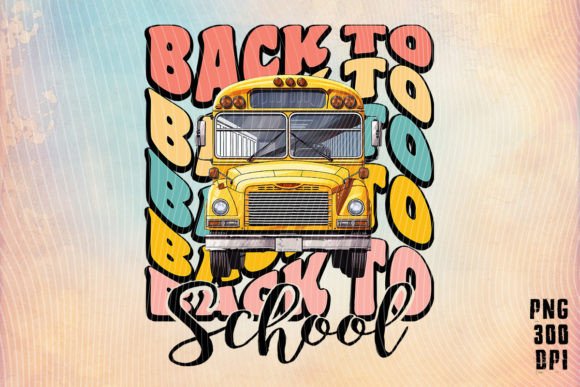
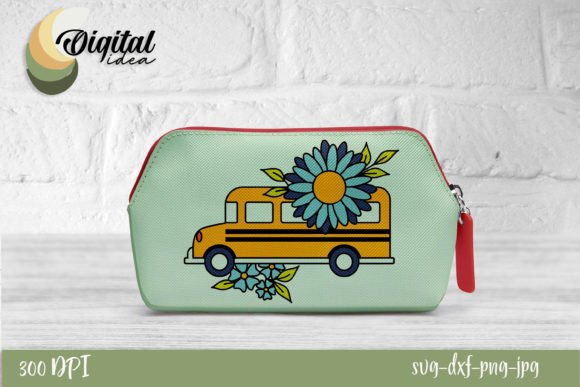
Its school bus motif carries immediate recognition and emotional resonance during late summer and early fall, making it especially effective for time-sensitive campaigns, educator resource kits, or student-facing organizational tools. But its utility extends beyond seasonality: the clean lines, balanced negative space, and bold color-blocking support consistent branding across touchpoints—without requiring custom illustration work.
Pre-Project Integration: Planning and Preparation
Before cutting vinyl or loading a heat press, assess your material stack and workflow constraints. If you’re producing custom T-shirts for a PTA fundraiser, start by matching the SVG version of the Back to School School Bus Pencilcase with your HTV supplier’s recommended cut settings. Test alignment and weeding on a scrap piece first—especially if layering text or adding a “2024” date stamp. Vector files retain crisp edges even when scaled down for youth-sized apparel, avoiding the pixelation common with low-res JPGs.
For wood sign or reverse canvas projects, use the DXF file with your CNC router or laser cutter. The paths are optimized for clean kerf control and minimal sanding. Consider grain direction and wood species when placing the design—lighter woods like birch or maple allow the bus’s yellow body and black windows to pop without additional paint layers. Save time by nesting multiple signs in one job using the EPS file in your CAM software.
During Production: Compatibility and Real-Time Adjustments
When applying permanent adhesive vinyl to tumblers or vehicle wraps, open the PDF version in your cutting software to preserve embedded color profiles and registration marks. This avoids unintended color shifts during print-and-cut operations. For curved surfaces like stainless steel mugs, choose a cast vinyl over calendered—it conforms better and resists edge lifting over time. Pair the Back to School School Bus Pencilcase with a matte laminate for UV resistance and scratch protection, especially if items will be handled daily in classrooms or offices.
If you’re working with removable vinyl for wall decals, use the PNG with transparent background in your design layout tool. This lets you preview placement against actual room photos before ordering. Removable vinyl holds well on smooth drywall or glass but loses adhesion on textured surfaces—so verify wall prep (clean, dry, non-porous) before application. The design’s moderate width-to-height ratio also makes it easier to position without excessive trimming.
Post-Production Use: Extending Value Beyond First Output
Once you’ve produced physical items, repurpose the same assets for documentation, marketing, or inventory tracking. Drop the PNG into Canva or Adobe Express to generate social media posts showing your finished tumbler or wood sign. Embed the SVG in a Notion or Airtable database as a visual identifier for each SKU—linking design files directly to product specs, cost sheets, and vendor notes.
For educators or curriculum designers, the JPG and PDF versions work well inside editable lesson plan templates. Insert the image into a “Classroom Organization” slide deck, then annotate it with bullet points about pencil case routines or supply checklists. Because the design is neutral enough to avoid age-specific stereotypes (no cartoon characters or gendered styling), it adapts cleanly across grade levels—from kindergarten centers to middle school study groups.
Workflow Example: Launching a Back-to-School Product Bundle
- Week -3: Import the EPS file into your e-commerce platform’s mockup generator to preview how the design appears on zip folders and pencil cases. Confirm Pantone matches with your manufacturer.
- Week -2: Export the SVG for HTV T-shirt production and DXF for laser-cut wood signs. Batch-process files to standardize sizing across SKUs.
- Week -1: Print test decals using the JPG on removable vinyl. Photograph them in context—on a classroom whiteboard, beside a backpack, under natural light—to build authentic product imagery.
- Launch Day: Use the PDF version to generate printable “First Day Checklist” cards for customers—adding handwritten-style fonts and blank lines for personalization.
Quality Control and Long-Term Usability
Check file integrity before each major job: open the SVG in Inkscape or Illustrator and confirm all strokes are outlined and grouped logically. Look for stray anchor points or overlapping paths that could cause cutting errors. If sharing files with contractors or print shops, include a README note specifying preferred color mode (CMYK for offset, RGB for digital), bleed requirements (if applicable), and minimum safe scale (e.g., “Do not reduce below 1.5 inches wide”)
Store versions systematically—label folders by format and use case (e.g., /HTV/Tshirt_SVG, /Vinyl/Removable_PNG). This prevents accidental use of a low-DPI JPG for large-format printing. Revisit the design every August to update year references or adjust color balance based on current trends—but keep the core vector file unchanged so legacy assets remain compatible.
Where It Fits in Broader Systems
The Back to School School Bus Pencilcase doesn’t replace planning—it supports it. It slots into inventory management systems as a SKU visualizer, into marketing calendars as a campaign anchor, and into creative pipelines as a reusable component. When paired with consistent typography, complementary color palettes, and standardized file naming, it contributes to brand coherence without demanding custom design labor each cycle.
For freelancers managing multiple clients, maintain a master library where this design lives alongside other seasonal assets—organized by theme, format, and license type. That way, when a teacher requests a custom bulletin board kit or a boutique owner asks for limited-edition stationery, you’re not starting from zero. You’re iterating—refining placement, swapping accents, adjusting sizing—with confidence in the foundational asset.
Ultimately, the strength of the Back to School School Bus Pencilcase lies in its readiness—not just to be printed or cut, but to be *used*. It assumes you have deadlines, material constraints, and audience expectations. It meets you there, with files that behave predictably, formats that align with industry standards, and visual clarity that communicates purpose at a glance. That’s how a simple school bus becomes part of something larger: your process, your output, and your ability to deliver consistently—season after season.