Back to School T-Shirt Vector Kids
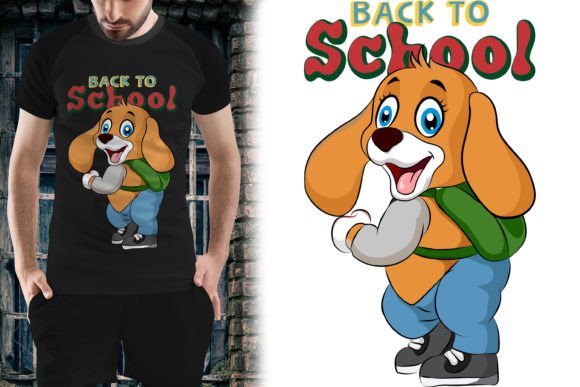
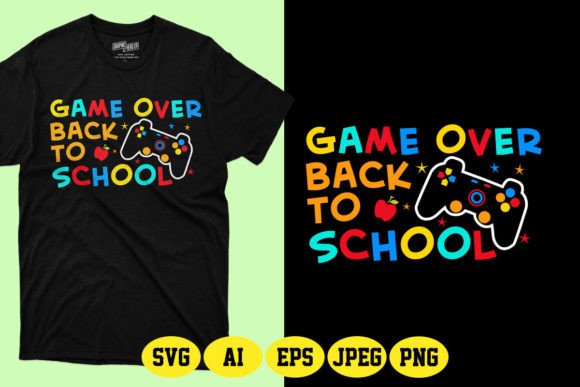
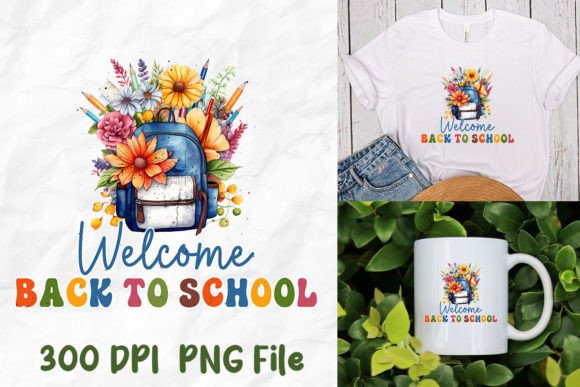
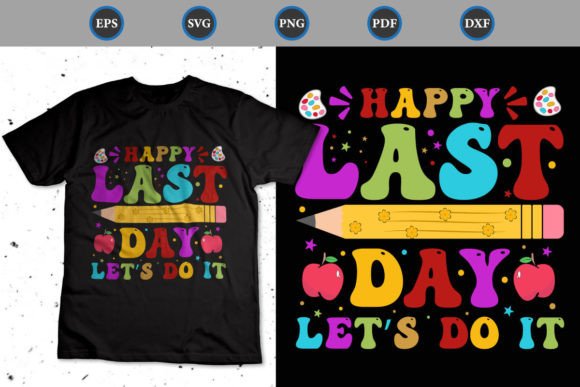
Back to School T-Shirt Vector Kids refers to a category of scalable, editable digital design files intended for use in school-themed apparel and accessories—particularly for children. These vector-based graphics are typically created in software like Adobe Illustrator and saved in formats such as EPS or PDF, allowing users to resize without loss of quality. They often feature playful typography, cheerful illustrations, and motifs like apples, backpacks, pencils, or milestone markers (e.g., “100 Days of School”). One example is the This is my New Best 100 Days of School Typography Vector T-Shirt Design, which combines celebratory messaging with clean, customizable lettering suitable for youth-oriented merchandise.
Why Someone Might Consider This Type of Design
Individuals exploring Back to School T-Shirt Vector Kids designs commonly fall into three groups: small business owners producing custom apparel, educators organizing classroom events, and parents or caregivers creating personalized items for children. Each group values clarity, ease of use, and adaptability. For instance, a teacher planning a “100 Days of School” celebration may need a legible, age-appropriate graphic that prints well on t-shirts, posters, or name tags. A craft-based entrepreneur might seek vector files compatible with cutting machines (like Cricut or Silhouette) to produce iron-on transfers or vinyl decals.
Key Benefits of Vector-Based Back to School Designs
- Scalability: Unlike raster images (e.g., JPEG or PNG at fixed resolution), vector files maintain sharpness at any size—ideal for printing on toddler-sized tees or large tote bags.
- Editability: Colors, text, and layout elements can be modified in vector-editing software, supporting customization for school colors, names, or grade levels.
- Format versatility: Bundles often include EPS (for professional print), PDF (for universal viewing), PNG (with transparent background for digital overlays), and JPG mockups—reducing compatibility concerns.
- Time efficiency: Ready-to-use files eliminate the need to commission original artwork or build designs from scratch, especially helpful during busy back-to-school planning windows.
Tradeoffs and Practical Considerations
While Back to School T-Shirt Vector Kids assets offer flexibility, they require some technical awareness to use effectively. Users unfamiliar with vector editing software may find EPS or layered PDF files difficult to modify without training or assistance. Additionally, not all bundles include commercial licenses by default—some are licensed for personal use only. Before purchasing or deploying a design, it’s important to verify usage rights, particularly if the end product will be sold or distributed publicly.
Another consideration is stylistic fit. Not every vector design aligns with a specific school’s branding guidelines, classroom tone, or child’s preferences. A highly stylized, cartoon-heavy illustration may suit a kindergarten event but feel out of place in a middle-school academic recognition ceremony. Previewing mockup images and checking color palettes (especially if the bundle advertises “100 color changeable” options) helps assess visual appropriateness.
When Back to School T-Shirt Vector Kids Is a Strong Fit
This type of resource works best when:
- You need consistent, reproducible visuals across multiple physical items (e.g., matching t-shirts, stickers, and classroom banners).
- You have access to basic vector-editing tools—or willingness to learn foundational adjustments like recoloring or resizing.
- Your timeline is tight: pre-made vectors reduce design iteration time compared to commissioning custom work.
- You’re producing limited-run or one-off items where licensing costs for premium stock art would be disproportionate.
In these cases, a well-structured Back to School T-Shirt Vector Kids package provides measurable utility—especially if it includes layered, labeled files and clear documentation.
When Alternatives May Be More Appropriate
Vector bundles may be less suitable if:
- You require fully original, trademark-safe artwork for a public-facing brand or school district initiative—licensed vectors may carry generic themes or subtle similarities to widely used clip art.
- Your production method relies exclusively on raster-based tools (e.g., Canva or basic photo editors) and you lack access to Illustrator, CorelDRAW, or compatible free alternatives like Inkscape.
- You need photorealistic or hand-drawn textures (e.g., watercolor backgrounds or sketch-style linework) that vector formats don’t naturally support without additional layering.
- Customization needs go beyond color and scale—for example, integrating student photos, dynamic data fields, or multilingual text—requiring more advanced automation than static vector files allow.
In such scenarios, hiring a freelance designer, using AI-assisted design platforms with export flexibility, or selecting high-resolution PSD templates with smart objects may better match long-term goals.
Making an Informed Decision
Evaluating a Back to School T-Shirt Vector Kids offering involves asking three practical questions:
- What is my intended use? Clarify whether the design will be printed, cut, embroidered, or displayed digitally—and confirm file types support that workflow.
- Do I have the tools and knowledge to adapt it? Check software compatibility and review sample files (if available) before purchase. Free viewers like Adobe Acrobat or online SVG inspectors can help preview structure.
- Does the license match my distribution plan? Look for explicit statements about personal, small-business, or extended commercial use—not just vague terms like “for crafters.”
Also consider scalability beyond immediate needs: if you anticipate reusing similar themes year after year (e.g., annual “First Day,” “Last Day,” or “100 Days” designs), investing in a cohesive series—or learning to modify base vectors—can yield cumulative time savings.
Ultimately, Back to School T-Shirt Vector Kids serves as a functional tool rather than a standalone solution. Its value emerges not from novelty or trendiness, but from how reliably it supports specific, repeatable tasks in educational and creative settings. When matched thoughtfully to technical capacity, usage context, and licensing requirements, it becomes a practical component in thoughtful design planning—neither overpromised nor underutilized.