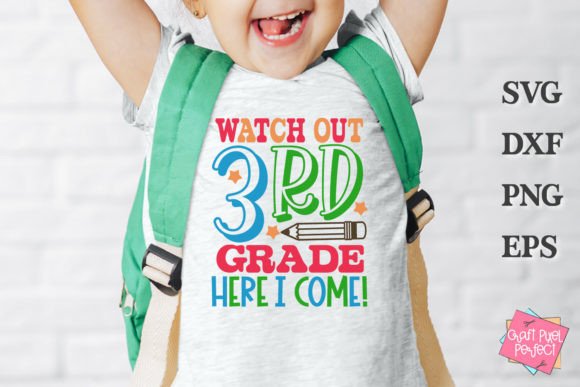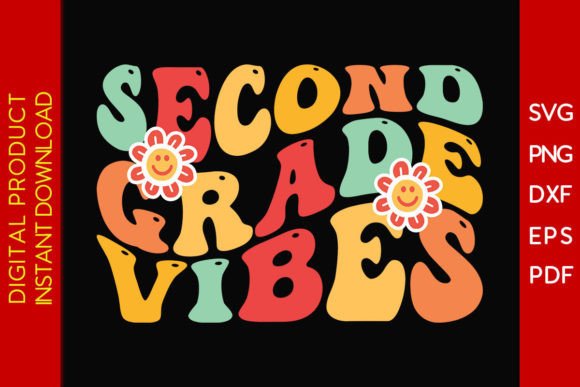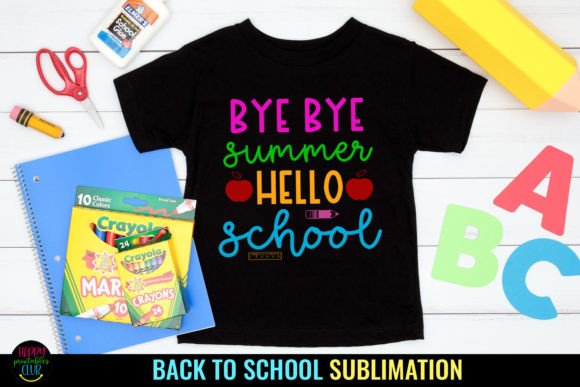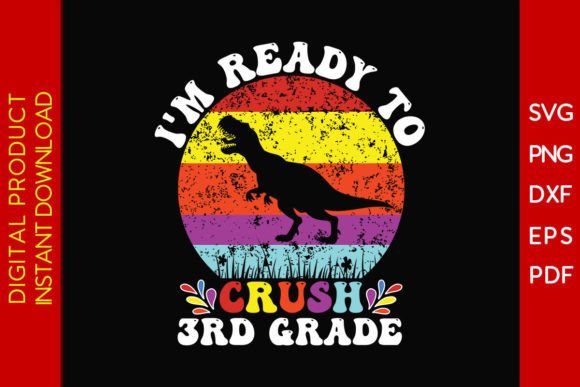
Out Second Grade SVG, Back to School SVG: Practical Design Assets for Educators, Creators, and Small Businesses
Out Second Grade SVG, Back to School SVG collections are more than decorative graphics—they’re production-ready vector assets built for real-world implementation. Whether you're designing custom classroom signage, launching a back-to-school merch line, or preparing personalized welcome kits for students, these files serve as functional building blocks in your creative or operational workflow. Their value lies not just in visual appeal, but in how seamlessly they integrate into design, printing, and distribution pipelines.
What Exactly Is an Out Second Grade SVG, Back to School SVG?
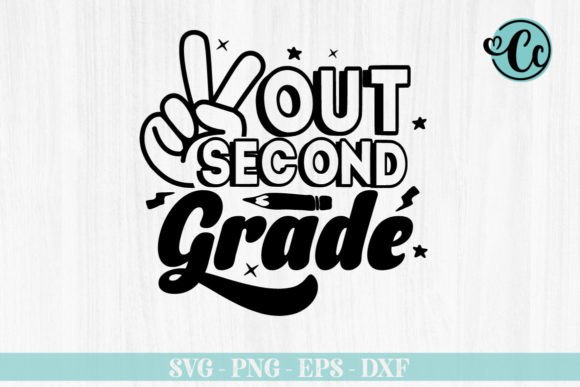
An Out Second Grade SVG, Back to School SVG is a scalable vector file set designed specifically around second-grade themes and the broader back-to-school season. Unlike raster images, SVG (Scalable Vector Graphics) files retain crisp clarity at any size—critical when resizing from a 2-inch sticker to a 24-inch wall sign. The bundle typically includes multiple formats: SVG (for Cricut, Silhouette, and web use), PNG (300 DPI for high-res print), EPS (for Adobe Illustrator compatibility), and DXF (for laser cutters and CNC machines). This multi-format support ensures flexibility across platforms and hardware without quality loss.
These files are hand-lettered and intentionally styled to reflect warmth, approachability, and age-appropriate energy—ideal for elementary educators, school PTA groups, boutique apparel sellers, or freelance designers serving education clients. Because they’re editable vectors, you can adjust colors, spacing, font weight, or even isolate individual letters for layered compositions.
Where It Fits in Your Workflow
Think of Out Second Grade SVG, Back to School SVG not as a standalone download—but as a component that slots into existing processes. For example:
- Educators use them during summer planning to pre-design classroom labels, student name tags, bulletin board headers, and “Welcome Back” banners—cutting prep time by 40–60% compared to building from scratch.
- Small business owners importing blank kids’ tees or tote bags integrate these files directly into their POD (print-on-demand) dashboards or local screen-printer workflows—no redesign needed, just color and placement adjustments.
- Freelance designers working with school districts or tutoring centers treat them as customizable starting points: swapping “Second Grade” for “Grade 2”, adding school logos, or adapting layouts for bilingual signage (e.g., English/Spanish versions).
This isn’t about replacing design thinking—it’s about removing redundant execution steps so you can focus on strategy, personalization, and delivery.
Preparation and Compatibility: Set Up Right the First Time
Before opening any file, verify your software and hardware compatibility. SVGs work natively in Cricut Design Space, Silhouette Studio (with Designer Edition), Inkscape (free), and Adobe Illustrator. PNGs are universal but require careful handling if scaling beyond original dimensions—always start with the SVG or EPS for editing. If you’re sending files to a print shop, confirm whether they prefer CMYK EPS or RGB PNG; most commercial printers request EPS or PDF exports from vector editors to ensure color fidelity and bleed control.
Organize your downloaded files logically: create subfolders for “Editable Vectors”, “Print-Ready PNGs”, and “Exported Variants”. Naming matters—rename files to include use case and size (e.g., out-second-grade-tshirt-front-12in.svg) rather than generic “file1.svg”. This avoids version confusion later, especially when managing multiple grade-level assets across semesters.
Customization That Scales Without Compromise
Because these are vector-based, customization is precise—not pixelated. You can:
- Change fill colors to match school branding or classroom color schemes using the Swatches panel in Illustrator or the Fill tool in Cricut.
- Adjust letter spacing (kerning) for better readability on curved surfaces like mugs or backpacks.
- Separate layered text elements to apply different effects—e.g., outline “Hello School” in gold foil while keeping “Second Grade” matte black.
- Resize freely: A 3-inch SVG used on a kids’ shirt translates cleanly to a 36-inch vinyl decal for a school hallway wall—no re-rasterizing required.
For educators printing on standard label sheets, export a single-layer PNG at 300 DPI and align it precisely in Word or Pages before printing. For crafters using heat-transfer vinyl, ungroup the SVG in Silhouette Studio, then weld overlapping letters to prevent cutting errors.
Integration With Other Tools and Platforms
Out Second Grade SVG, Back to School SVG assets interact efficiently with common tools:
- Cricut + Print Then Cut: Use the included PNGs alongside the SVG outlines to achieve accurate registration for stickers or iron-ons.
- Canva Pro: Upload SVGs directly to Canva’s media library—then combine with stock photos, icons, or templates for social media announcements or digital newsletters.
- Etsy or Shopify stores: Embed PNG previews in product listings; deliver SVG+PNG bundles instantly via automated download links after purchase.
- Google Slides or PowerPoint: Insert the PNG version for classroom presentations—crisp on projectors and interactive whiteboards without blurring.
No plugin or converter is needed. The files are built to work where you already spend time—reducing friction, not adding it.
Long-Term Usability and Quality Control
Vector files don’t degrade over time or with repeated use—unlike JPEGs or low-res PNGs that blur when scaled. Store your master SVGs in cloud storage with version history enabled (e.g., Google Drive or Dropbox), and always keep a backup of the original folder structure. When updating designs year after year, compare current assets against last year’s usage notes: Which sizes sold best? Which color variants had the highest engagement? Use those insights to refine future batches—not just of second-grade assets, but across your full grade-level catalog.
Also consider accessibility: For printed materials, ensure contrast ratios meet WCAG 2.1 standards (e.g., dark text on light background). Test exported PNGs using free tools like WebAIM’s Contrast Checker before mass printing.
Real Implementation Examples
A homeschool co-op coordinator uses Out Second Grade SVG, Back to School SVG to generate personalized “My Second Grade Journal” covers—adding each child’s name in a separate text layer, then exporting individual PDFs for local print. Total time per student: under 90 seconds.
A small-batch apparel brand runs a limited “Hello School” t-shirt drop each August. They load the SVG into their DTG printer’s RIP software, adjust ink saturation for soft cotton blends, and batch-process 50 variants (sizes S–XL, colors navy/teal/mint) in under 15 minutes—no manual alignment or resizing.
A first-year second-grade teacher prints the “Out Second Grade” design onto laminated name badges, then adds Velcro dots for easy swapping between centers. She reuses the same badge base all year—only changing the SVG-inserted header monthly (“Out Second Grade”, “Math Masters”, “Reader’s Workshop”). Consistency reinforces routine; efficiency preserves energy.
When You Might Need Support—and What to Ask
If something doesn’t render correctly—say, an EPS opens with missing fonts or a DXF imports with stray nodes—the issue is usually environment-specific, not file-related. Before reaching out, note: your software version, operating system, and exact steps taken. Most vendors provide quick troubleshooting (e.g., “embed fonts in Illustrator before exporting EPS” or “use ‘Ungroup All’ in Silhouette before welding”). Clear context means faster resolution—and less downtime in your workflow.