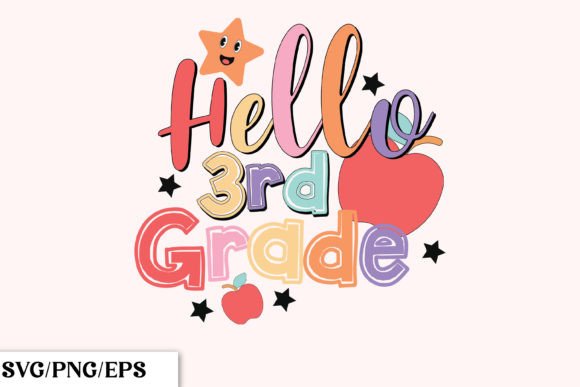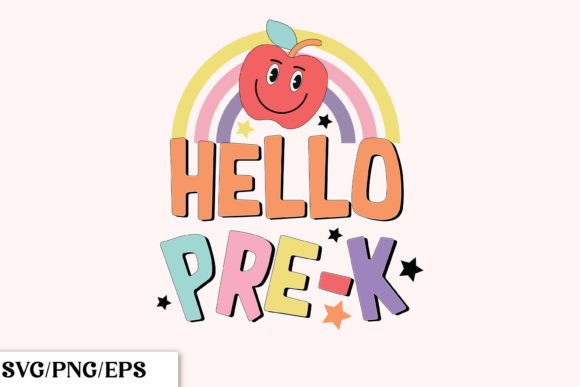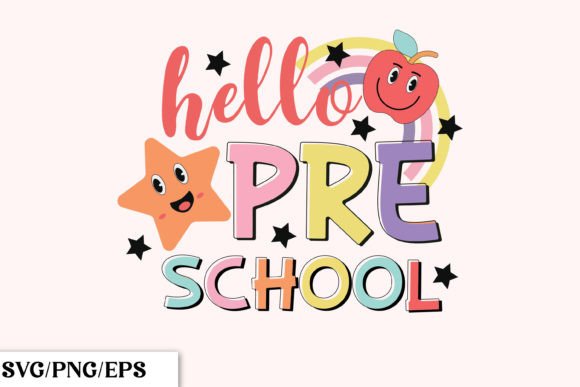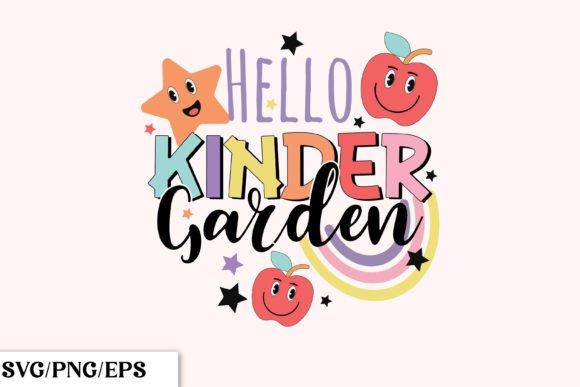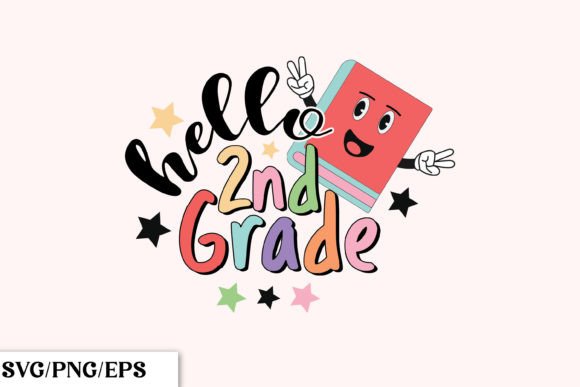
Hello 2nd Grade Back to School Design
“Hello 2nd Grade” isn’t just a cheerful phrase—it’s a thoughtful, classroom-ready design built for real-world use. This clean, joyful back-to-school graphic celebrates the milestone of second grade with warmth and clarity. It’s crafted not as generic clip art, but as a versatile, production-ready asset—designed to scale, adapt, and integrate seamlessly across physical and digital projects.
Who finds value in this design—and why?
For educators setting up their classrooms, it’s about connection and consistency. A “Hello 2nd Grade” banner on the door or welcome sign helps students feel seen and grounded on day one. Teachers often pair it with name tags, reading charts, or behavior trackers—so having crisp, editable files means they can tweak colors or add names without relying on tech support or expensive software.
Small business owners running print-on-demand shops see something different: a reliable, seasonal design that resonates with parents and teachers alike. Unlike trend-driven graphics that fade after August, this one taps into an enduring moment—the transition from first to second grade—making it useful year after year. Its clean lines and balanced spacing also translate well across product types: mugs for teacher appreciation, tote bags for supply kits, or vinyl decals for lunchboxes.
Parents and homeschoolers appreciate its simplicity and tone. It avoids cutesy overdesign or dated fonts, striking a balance between playful and respectful—important when representing a child’s growing independence and academic identity. Many use it to personalize learning journals, reward charts, or even classroom-style corners at home.
What formats do you actually get—and what does that mean for your work?
You’ll receive three high-quality file types: SVG, PNG (300 dpi), and EPS.
- SVG is ideal if you’re using Cricut, Silhouette, or other cutting machines—or building responsive web graphics. It scales infinitely without losing sharpness, so whether you’re cutting a 2-inch sticker or a 24-inch wall decal, edges stay crisp.
- PNG at 300 dpi gives you a ready-to-print raster file with transparent background—perfect for uploading directly to print services like Printful, Redbubble, or local copy shops. No extra prep needed.
- EPS is the go-to for professional designers who need vector flexibility inside Adobe Illustrator or CorelDRAW—especially when combining this design with custom typography, brand elements, or layered layouts.
No watermarks. No hidden layers. No upsells. Just clean, organized files—named clearly and delivered instantly.
Different priorities, same design
A beginner crafting their first T-shirt might prioritize ease and speed. They’ll likely open the PNG in Canva, drag it onto a mockup, and hit download—done in under two minutes. For them, the value lies in reliability: no pixelation, no guesswork, no troubleshooting fonts or missing vectors.
An experienced graphic designer evaluating this for a school district rebrand might focus on scalability and color control. They’ll test how the SVG holds up when converted to CMYK for offset printing—or how easily it adapts to a custom palette matching the district’s visual guidelines. The EPS file matters here—not for novelty, but for precision.
A freelance educator creating digital resources looks for presentation and learning alignment. They may drop the SVG into Google Slides to build an interactive “Welcome to 2nd Grade” activity—or layer it into a printable PDF with growth mindset prompts. The transparency in the PNG lets them overlay text or illustrations without white boxes interrupting the flow.
A hobbyist embroidering pillowcases values clean outlines and moderate detail. This design avoids fine interior linework or gradients that don’t translate to stitch. Its bold shapes and generous spacing make it forgiving—even on beginner embroidery machines or hand-stitched projects.
Real uses—beyond the obvious
It’s easy to think “back to school = posters and shirts.” But this design shows up in quieter, more meaningful ways:
- A literacy coach prints mini versions on cardstock, laminates them, and uses them as discussion prompts: “What do you hope to learn in 2nd grade?”
- A children’s book illustrator imports the SVG as a base layer, then builds a custom scene around it—keeping the core greeting intact while adding original characters and settings.
- A PTA committee adds the PNG to a shared Google Doc agenda header—giving meetings a consistent, warm visual anchor across all materials.
- A small stationery brand pairs the design with kraft paper labels and twine to create “2nd Grade Supply Kits”—turning functional items into keepsake experiences.
Does it fit your goals right now?
If you need something fast, flexible, and classroom-authentic—yes. If your project requires commercial licensing, check the store’s terms (most designs like this are licensed for both personal and small-business use, including resale on physical goods). If you're building long-term curriculum materials, consider how the design supports inclusivity—its neutral tone and lack of gendered or culturally narrow cues make it adaptable across diverse learning environments.
It’s not meant to be flashy or viral. It’s meant to be dependable—to say hello with sincerity, to mark a meaningful step forward, and to serve quietly across many kinds of work. That quiet reliability is what makes it useful—not just in August, but through parent-teacher conferences, portfolio reviews, and end-of-year celebrations.
Thank you for visiting our portfolio. If you like our products, feel free to subscribe to our profile—we’re adding new designs every few days, always focused on clarity, quality, and real-world usefulness.